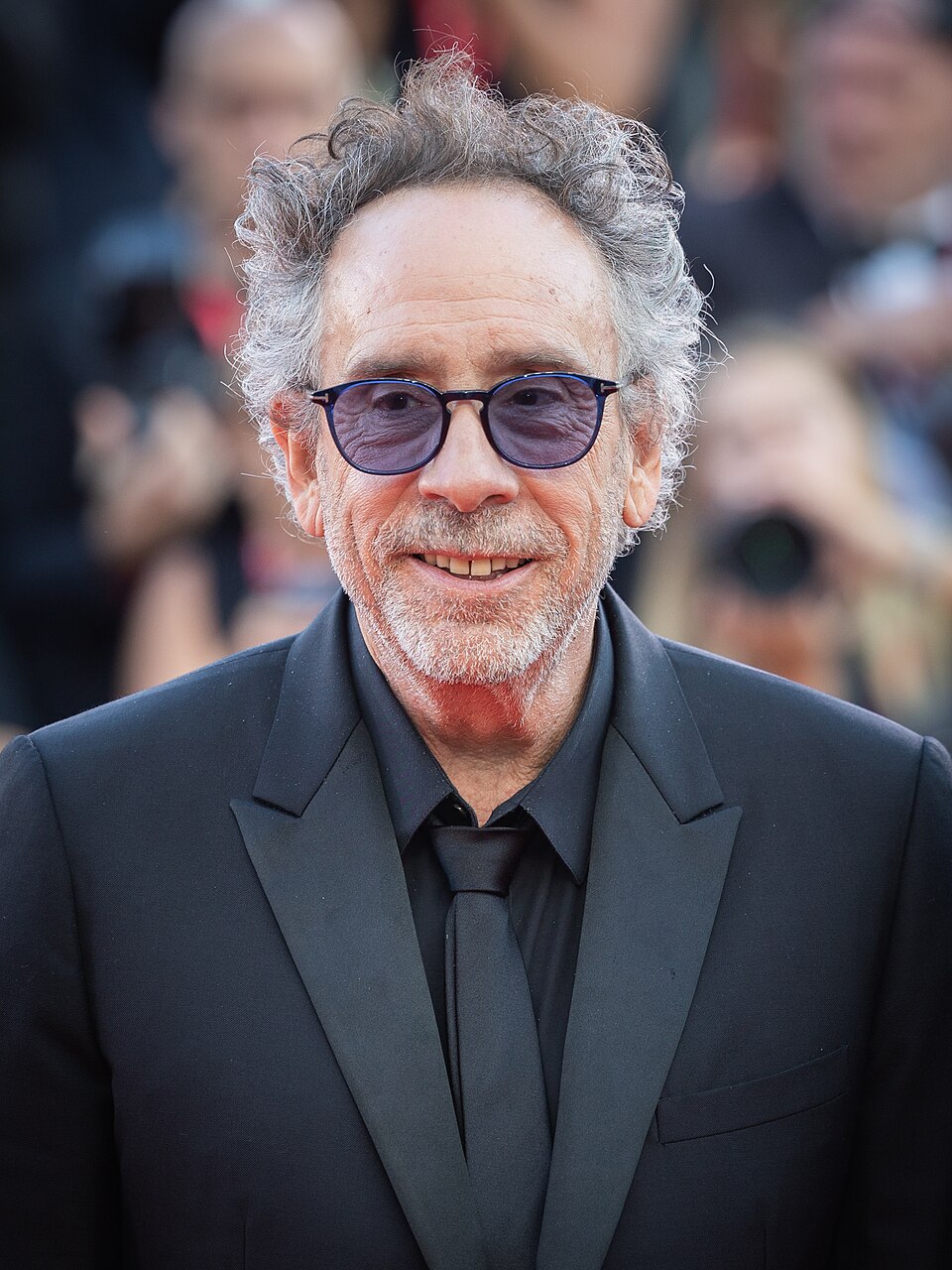
The world of Charles Addams’ delightfully macabre family has captivated audiences for decades, through comic strips, television series, and films. Yet, when Netflix’s Wednesday debuted in 2022, it struck a chord unlike any previous iteration, becoming a global phenomenon. At the heart of this resurgence, lending his signature gothic sensibility and an unexpected burst of creative energy, was none other than visionary director Tim Burton. His involvement wasn't just a stylistic choice; it was a deeply personal reconnection with the very themes and characters that have defined his illustrious career.
The Macabre Maestro's Unexpected Rejuvenation
By his own admission, Tim Burton found himself in a "slightly dormant era" prior to the proposition of directing and executive producing Wednesday. The years leading up to the series saw some of his studio films, such as 2016's Miss Peregrine’s Home for Peculiar Children and 2019's Dumbo, receive some of the most dismissive reviews of his career. The industry, too, was grappling with the unprecedented halt brought on by COVID-19. It was during this period that showrunners Alfred Gough and Miles Millar (known for Smallville and Spider-Man 2) approached him with their concept.
Burton confesses he wasn't a lifelong Addams Family fanatic, nor was it a dream project he’d harboured for years. However, upon reading the character of Wednesday Addams, something clicked. "When I read that character," he stated, "I just connected to it. It energised me in a way that I hadn’t felt in quite a bit of time." This wasn't merely a professional undertaking; it was a creative renaissance. Wednesday, with her deadpan delivery, dark wit, and unwavering individuality, mirrors many of the beloved outsiders and misunderstood protagonists that populate Burton's own cinematic universe, from Edward Scissorhands to Beetlejuice.
His distinctive visual style—characterized by gothic aesthetics, quirky designs, and a delicate balance between the whimsical and the macabre—proved to be an ideal match for the Addams universe. Rather than simply applying a superficial veneer, Burton's deep understanding of these themes allowed him to imbue Wednesday with a genuine soul, resonating with a new generation while respecting the source material. It was this authentic connection that transformed the series from a mere adaptation into a vibrant, living entity, echoing his past successes and hinting at an exciting new chapter in his career.
Navigating a New Labyrinth: Burton's Dive into Streaming
One of the most intriguing aspects of Wednesday's Viral Success: Tim Burton's Unconventional Approach to Season 2 was Burton's foray into the world of streaming television. A filmmaker renowned for grand cinematic productions, Burton candidly admitted, "I doesn't watch much TV." This unfamiliarity with the "foreign clockwork" of streaming presented both a challenge and an opportunity. It forced him to adapt his storytelling techniques and directorial rhythm to a serialized format, a departure from his usual feature film cadence. While he directed half of the first season's episodes, his influence as an executive producer spanned the entire series, guiding its tone and aesthetic consistently.
The success of Wednesday was staggering. It became Netflix's third-biggest series ever upon its debut, launching its then 20-year-old star, Jenna Ortega, into overnight global stardom. A particular dance sequence from one episode ignited a viral trend, demonstrating the show's immense cultural impact. Despite this colossal reception, Burton maintains a remarkably grounded perspective. "Everything I do, whether it’s a success or a failure, it’s always a surprise to me," he reflects. "And I’m not the kind of person who goes, ‘Oh, this is why season one was successful, and therefore I know what to do.’ I don’t get very worried about this." This humility underscores his artistic integrity, prioritizing creative connection over algorithmic calculation. For aspiring creators, Burton's approach offers a valuable lesson: focus on authentic storytelling and emotional resonance, and genuine success will often follow, irrespective of the platform or medium.
Wednesday's Core: Honouring Charles Addams' Vision
While Wednesday pivoted the focus from the entire Addams family to just the eldest child, showrunners Alfred Gough and Miles Millar were meticulous in preserving the "pith" of Charles Addams’ original creations. Burton's involvement undoubtedly bolstered this commitment. Addams' cartoons were characterized by their dark humor, subversive nature, and an ability to find the macabre in the mundane, satirizing mid-20th-century American life. Wednesday sought to replicate this essence, but for a contemporary audience, "finding a slant on modern life – that subversion of the norm – that [Addams] did with Fifties America."
A prime example, as Millar points out, is the opening of Season 2, where Wednesday is discovered tied up in a serial killer’s bunker, surrounded by creepy dolls, describing it as "my perfect vacation." This image is a perfect "Charles Addams panel" – a scenario that is simultaneously unsettling, darkly humorous, and utterly incongruous with societal norms, yet perfectly aligned with Wednesday’s character. Burton's aesthetic, which often celebrates the grotesque and the unconventional, provided the perfect visual language for this kind of storytelling. His deep understanding of gothic sensibilities allowed the series to build on Addams' legacy, creating a world where the strange is beautiful, and the dark is often the most illuminating. It is this synergy that suggests Wednesday Season 3: How Tim Burton Elevates Charles Addams' Macabre Vision even further, pushing the boundaries of what this universe can explore.
The Allure of the Outsider: Why Burton and Wednesday Click
The thematic bedrock of much of Tim Burton's filmography revolves around the "outsider" – characters who exist on the fringes of society, misunderstood yet possessing a unique truth or perspective. Edward Scissorhands, Lydia Deetz from Beetlejuice, and even Batman (in Burton's take) are all fundamentally outsiders. Wednesday Addams is arguably the quintessential outsider. She thrives in darkness, rejects conventional cheerfulness, and sees beauty where others see horror. This inherent connection between Burton's artistic soul and Wednesday's character is precisely what made their collaboration so powerful.
In Wednesday, the titular character, brilliantly portrayed by Jenna Ortega, initially finds herself an anomaly at Nevermore Academy, a school for outcasts. Yet, by the end of Season 1, having foiled a villain and saved the school, she bewilderingly becomes its new "It-girl." Predictably, she despises this newfound popularity. This predicament – finding oneself on the inside when your nature dictates you belong on the outside – is a profound reflection of the outsider’s dilemma that Burton himself understands deeply. The series masterfully explores the complexities of belonging while fiercely holding onto one's unique identity, a narrative arc that speaks directly to anyone who has ever felt different.
Practical Tip for Storytellers: When developing characters, consider how their internal world conflicts or aligns with the external world. These points of friction often generate the most compelling drama and relatable arcs, especially when dealing with outsider figures. Burton excels at this by giving his characters genuine agency in their strangeness, rather than just making them objects of pity or fear.
The Future of Macabre: What Tim Burton's Involvement Means for Wednesday
As Wednesday moves into its subsequent seasons, the continued influence of Tim Burton is palpable and critical. While his directorship may shift, his executive producer role ensures that the series maintains the specific gothic charm, dark humor, and distinctive character development that defined its inaugural success. Early reports and casting announcements for future seasons suggest that the creative team is doubling down on the Burtonesque elements, aiming for an even more pronounced aesthetic and thematic alignment with his unique vision.
His participation has solidified Wednesday as more than just another Netflix hit; it’s a cultural touchstone that blends classic macabre with modern sensibilities. The series provides a platform for exploring themes of identity, acceptance, and the power of embracing one's differences, all wrapped in a visually stunning and darkly humorous package. For fans of Tim Burton, Wednesday represents a vibrant return to form, showcasing his unparalleled ability to craft worlds that are both wonderfully weird and profoundly resonant. For the show itself, his ongoing guidance means a commitment to originality and a steadfast dedication to the eccentric spirit of the Addams Family, ensuring its continued evolution as a standout in the landscape of fantasy television.
Tim Burton's involvement with Netflix's Wednesday has been a remarkable synergy of talent and material. What began as an unexpected offer during a "dormant era" blossomed into a creative rejuvenation for the iconic director and a global phenomenon for the streaming giant. By tapping into his authentic connection with the outsider archetype and the macabre, Burton helped craft a series that not only honoured Charles Addams' original vision but also injected it with new energy and relevance for a modern audience. His distinctive touch, from the visual aesthetics to the nuanced characterizations, has cemented Wednesday as a unique and compelling gothic comedy-drama, proving that sometimes, the perfect creative pairing is found in the most unexpected places.